Post-traumatic stress disorder
What is post-traumatic stress disorder?
Post-traumatic stress disorder (PTSD) is a common mental health condition that can develop after a stressful event. Anxiety, hypervigilance, negative ideas and beliefs, and flashbacks are some of its symptoms. The most common treatment for PTSD is psychotherapy, also known as talk therapy.
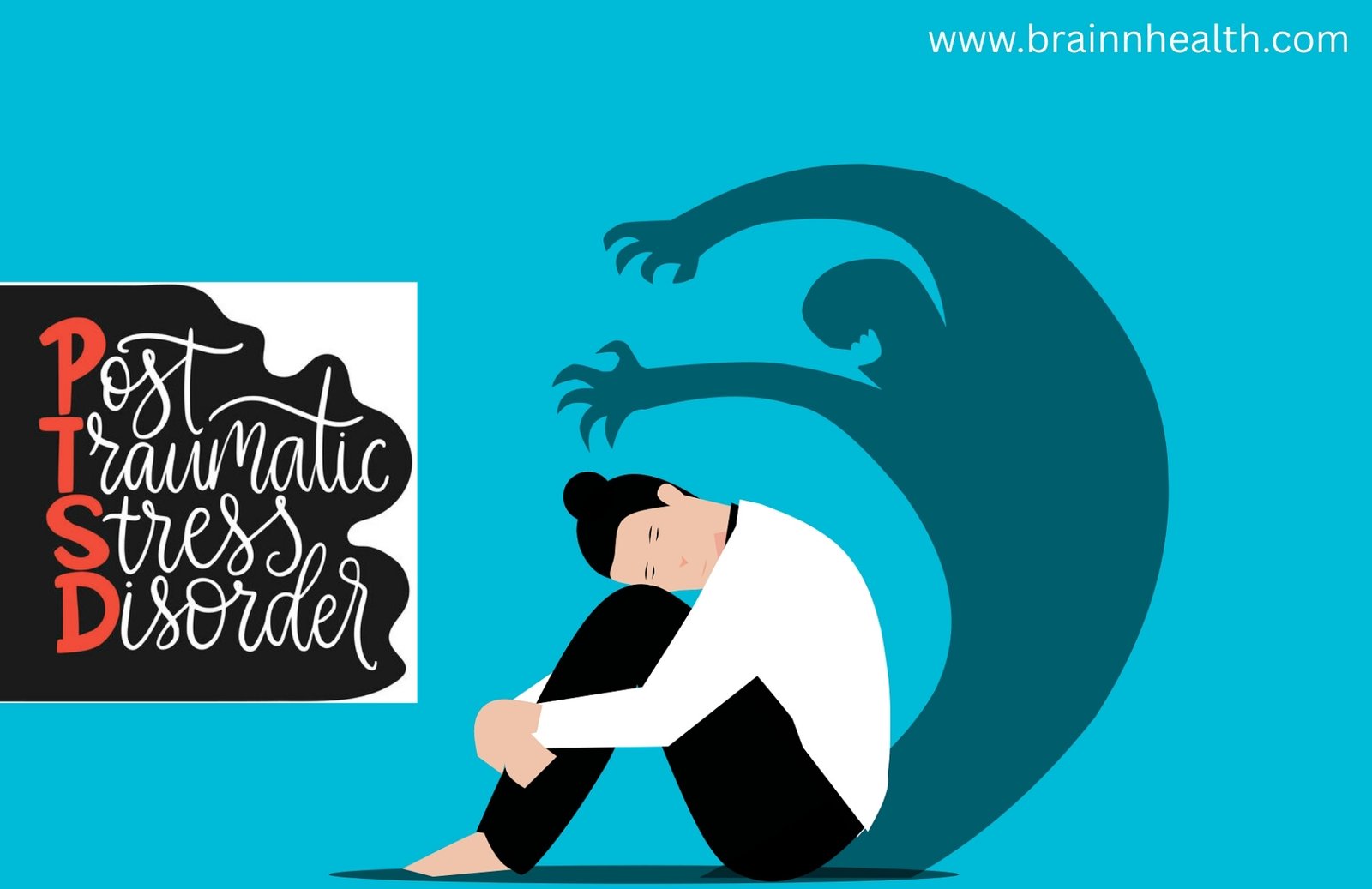
PTSD, or post-traumatic stress disorder, is a mental illness that can happen when someone is involved in or sees something really scary or distressing. The signs could include intense anxiety, vivid dreams, flashbacks, and irrational ideas about the event that occurred.
Most people who have gone through terrifying events may find it difficult to deal with and integrate for a short period of time.
On the contrary, most people get well with time and self-care. If the symptoms aggravate, persist for months or years, and become unsettling to their day-to-day activities, they may develop post-traumatic stress disorder.
What are the 17 symptoms of Post-traumatic stress disorder (PTSD)?
Intrusive memories, avoidance, unfavorable changes in mood and thought patterns, and changes in bodily and emotional responses are the four main categories into which Post-traumatic stress disorder symptoms are typically divided. Individuals may have different symptoms over time.
Adults, adolescents, and kids older than six must fulfill these criteria.
A. suffering from serious injury, passing away, or being sexually abused in one or more of the ways described below.
- Going through the traumatic incident personally.
- Seeing what happened to other people.
- The unpleasant situation was witnessed by a close friend or relative.
- Being exposed to unpleasant facts of a traumatic incident on a regular or severe basis.
Intrusive memories:
- In post-traumatic stress disorder, one or more invasive symptoms associated with the traumatic experience that start to appear after the incident:
- Recurring, challenging, and stressful unintended recollections of the traumatic incident.
- Frequent, upsetting nightmares where the traumatic event is connected to the dream’s content or influence.
- When someone acts or feels as though the traumatic incident is happening again, it might cause flashbacks or fugue behaviors..
- Prolonged or severe psychological anguish brought on by exposure to external or internal stimuli that represent or mimic a traumatic incident.
Avoidance:
PTSD avoidance symptoms include the following:
- Continued evasion, starting after the catastrophic events, of stimuli connected to the terrible events.
1. The attempt to steer clear of upsetting memories, ideas, or emotions that are strongly connected to the traumatic incident. - 2. Eliminating or attempting to avoid any environmental cues like persons, places, conversations, or activities that bring up upsetting memories, emotions, or thoughts connected to the traumatic event.
Negative changes in thinking and mood
Adverse mood and cognitive changes brought on by a traumatic incident that start or get worse after the event.
- The inability to recall significant details of the traumatic incident, usually as a result of dissociative amnesia rather than other causes like drugs, alcohol, or a brain injury.
- Persistent and inflated negative ideas about oneself, other people, or the world, such as “I am bad,” “no one can be trusted,” or “the world is dangerous.”
- Persistent skewed thinking about traumatic events can lead to placing blame on others or oneself.
- A chronically depressing emotional state (shame, anger, fear, or guilt).
- A decline in enthusiasm for important tasks.
- Feelings of detached from others.
- The inability to feel happy, satisfied, or in love, among other good emotions.
Changes in physical and emotional reactions:
The following are some signs of altered emotional and physical responses in post-traumatic stress disorder:
- Irritated conduct and outbursts of anger are typically stated as physical or verbal aggression toward objects or people.
- Irresponsible or damaging actions.
- Excessive alertness
- An overly dramatic reaction
- A difficulty focusing
- Disturbance in sleep
The disruption has lasted for more than a month.
With dissociative symptoms:
Furthermore, the stressor causes the individual to exhibit symptoms of either the following, either continuously or intermittently:
Depersonalization: recurring or ongoing sensations of detachment, with one’s body or thoughts seeming to be in a dream; a sense of unreality regarding one’s body or self, or of time passing slowly.
Derealization: The world around a person is perceived as unreal, dreamy, disconnected, and distorted in persistent and frequent experiences of unreality.
Prevalence:
The predicted cumulative risk for PTSD in the United States at age 75 is 8.7% based on DSM-IV criteria. In the US adults, the 12-month prevalence is roughly 3.5%. Europe and the majority of Asian, African, and Latin American nations have lower estimates, which range from 0.5% to 1.0%.
Suicide Risk:
A traumatic experience, like assault as a youngster, raises a person’s risk of suicide. Suicidal ideation and suicide attempts are linked to post-traumatic stress disorder, and the existence of the disease may predict which person with suicidal thoughts goes on to plot or actually try suicide.
What are some causes of PTSD?
After going through a stressful experience, such as an auto crash, childhood abuse, violence, or a catastrophic event, post-traumatic stress disorder may emerge.
Why people react differently to trauma is unknown. However, research indicates that some neurotransmitters and hormones are abnormally present in PTSD individuals. They also go through cerebral alterations.
Changes in hormones and neurotransmitters:
PTSD patients had normal, low levels of cortisol, the “hormone that leads to stress,” and high levels of corticotropin-releasing factor (CRF), according to studies on hormone and neurotransmitter changes.
CRF causes norepinephrine to be released, which heightens the sympathetic nervous system’s reaction. This “fight or flight” reaction causes a higher heart rate, blood pressure, being conscious and astonishing reaction.
Brain alterations:
PTSD is associated with changes in the way your brain operates and performs.
- The hippocampus, the area of brain responsible for learning, motivation, emotions, and memory, shrinks.
- People with PTSD have an abnormally reactive amygdala, which is the area of the brain responsible for processing emotions and terror reactions.
- People with PTSD seem to have a smaller and less responsive medial prefrontal cortex, which partially regulates the amygdala’s emotional sensitivity.
Risk factors of post-traumatic stress disorder (PTSD)
The 3 categories of risk factors are Pretraumatic, peritraumatic, and posttraumatic.
Pretraumatic factors:
Temperamental:
These include childhood emotional problems, prior traumatic exposure, anxiety problems, panic disorder, depression, and OCD.
Environmental:
These include lower socioeconomic stand; lesser level of schooling, adversity in childhood, family turmoil, parental rifts, and fatal accidents.
Genetic and physiological:
These include being a woman and being younger when the trauma was experienced.
Certain genotypes may either be protective or increase risk of PTSD post post-traumatic stress disorder, after exposure to a traumatic event.
Peritraumatic factors:
Environmental factors:
These include the seriousness of the trauma, thought-about hazards to one’s life, collateral damage, and interpersonal violence, especially trauma initiated by a caregiver or by a child who attempted to harm a caregiver.
Posttraumatic factors:
Temperamental:
These include adverse evaluations, improper coping mechanisms, and the emergence of stress-related disorders.
Environmental:
These might include repeated exposure to upsetting reminders, adverse life events, and catastrophes related to money and other trauma.
All of these elements contribute to the formation of post-traumatic stress disorder.

Post-traumatic stress disorder treatment:
Psychotherapy, or talk therapy, specifically a form of cognitive behavioral therapy (CBT), is the predominant treatment for post-traumatic stress disorder.
This therapy is carried out by a certified, licensed mental health professional, such as a psychologist or psychiatrist. They can assist you and/or your loved ones in operating more effectively and improving your well-being by offering support, information, and guidance. For PTSD, certain kinds of CBT include:
- Cognitive processing therapy: The goal of cognitive processing therapy is to change unpleasant beliefs and feelings associated with trauma, like guilt and rage.
- Eye movement desensitization and reprocessing therapy: Using this technique, you process painful memories by making certain eye movements. Helping you recover from trauma or other upsetting life events is the aim of EMDR.
- Group therapy: In a relaxed and accepting environment, this kind of therapy helps survivors of analogous traumatic circumstances to talk about their feelings and experiences. Family therapy could be beneficial as well.
- Prolonged exposure therapy: This treatment involves gradually exposing patients to symptom manifestations or repeatedly and meticulously fantasizing about the event in an adequate and regulated manner. This enables you to confront your fear, master it, and develop coping mechanisms.
- Trauma-focused therapy: Understanding how your body accommodates to stress and trauma is part of this therapy. Additionally, you will gain insight into how to control your symptoms and recognize and reframe problematic thought patterns.
Medication FOR PTSD (Post-traumatic stress disorder).
To treat specific PTSD symptoms, medical experts have suggested a couple of pharmaceuticals:
- Antidepressants
- Anti-anxiety medications