Brain aneurysm
A protrusion in a weak spot of a blood artery in or near your brain is known as a brain (cerebral) aneurysm. The majority of aneurysms are small and harmless. However, a ruptured brain aneurysm poses a serious risk to life. A tremendous headache—the worst headache you’ve ever experienced—is typically the first indication of a ruptured brain aneurysm. If you have symptoms of a brain aneurysm rupture, get medical help right away.
Overview:
What is a brain aneurysm?
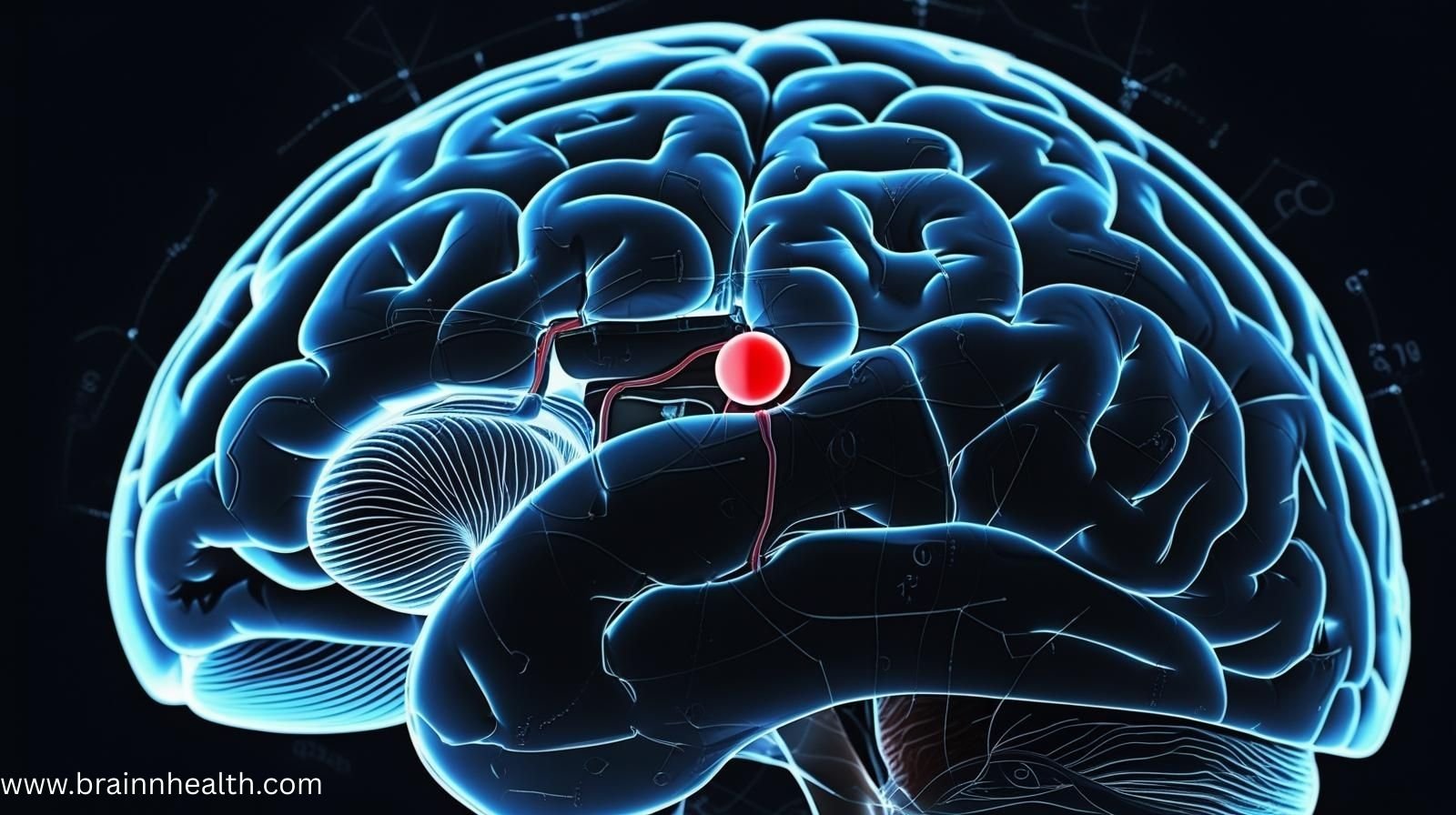
A protrusion in a weak spot of an artery in or near your brain is known as a brain aneurysm, or cerebral aneurysm. A blister-like bump is produced when the weaker area is forced outward by the continuous pressure of blood flow.
The aneurysm expands even more when blood pours into this protrusion. It’s comparable to how a balloon thins and becomes more prone to bursting when it fills with air.
Although brain aneurysms can develop anywhere in the brain, the majority of them start in the main arteries that run along the base of the skull. Between 10% and 30% of individuals with brain aneurysms also have multiple aneurysms.
If an aneurysm presses against adjacent brain tissue or nerves, it may result in symptoms. Your brain will bleed if the aneurysm bursts open or leaks. A ruptured brain aneurysm necessitates immediate medical attention since it might be fatal. The risk of mortality or disability rises with the duration of a ruptured aneurysm.
Brain aneurysm types:
-
Saccular aneurysm.
- This kind of aneurysm, often called a berry aneurysm, resembles a berry dangling from a vine. It is a spherical sac packed with blood that emerges from either the main artery or one of its branches. It typically develops on the arteries around the base of the brain. The most typical kind of aneurysm is a berry aneurysm.
-
fusiform aneurysm.
The artery bulges on all sides due to this kind of aneurysm.
-
Mycotic aneurysm.
An infection is the cause of this kind of aneurysm. The arterial wall may become weaker when an infection damages the brain’s arteries. This may result in the formation of an aneurysm.
Brain aneurysm symptoms
The majority of brain aneurysms that haven’t burst don’t show any symptoms, especially if they’re tiny. Imaging examinations for various illnesses may reveal brain aneurysms.
Aneurysm ruptures are extremely dangerous and usually result in excruciating headaches. Additionally, pain and other symptoms may result from an unruptured aneurysm pressing against brain tissue or nerves.
Symptoms of a ruptured aneurysm:
The primary sign of a ruptured aneurysm is an abrupt, intense headache. People frequently claim that this headache is the worst they have ever had.A ruptured aneurysm can cause the following symptoms in addition to an excruciating headache:
- vomiting and nausea.
- stiff neck.
- double vision or blurriness.
- light sensitivity.
- A seizure.
Symptoms of a “leaking” aneurysm:
A tiny amount of blood may occasionally leak from an aneurysm. This frequently results in a more catastrophic rupture. Days or weeks before to a more serious break, leaks may occur.
A sudden, intense headache that lasts for a few days or perhaps two weeks is one of the indications of a leaking brain aneurysm.
Symptoms of an unruptured aneurysm
Particularly if it’s tiny, an unruptured brain aneurysm could not show any symptoms. A larger unruptured aneurysm, however, might put pressure on nerves and brain tissue. An unruptured brain aneurysm may cause the following symptoms:
- One eye has pain behind and above it.
- a pupil that is dilated.
- a shift or double vision.
- One half of the face is numb.
- seizures
When a brain aneurysm ruptures, what happens?
Blood leaks (hemorrhages) into the surrounding brain tissue when it bursts. Your brain may enlarge as a result of the blood’s excessive strain on brain tissue. Along with other symptoms, it typically results in a violent headache known as a thunderclap headache.
A brain aneurysm rupture can result in major health issues like:
-
Subarachnoid hemorrhage (SAH):
Bleeding in the space between your brain and the arachnoid layer, which is a thin layer of tissue that surrounds and shields it. Brain aneurysm ruptures account for about 90% of SAHs.
-
Hemorrhagic stroke :
Bleeding in the area between your brain and skull is known as a hemorrhagic stroke.
This may lead to long-term brain damage or other issues like: -
Vasospasm:
When blood arteries constrict or narrow, less oxygen reaches the brain.
-
Hydrocephalus:
This condition is brought on by an accumulation of blood or cerebrospinal fluid surrounding the brain.
-
Seizures:
An uncontrollably brief spike in brain activity is known as a seizure. It may exacerbate brain damage brought on by a ruptured aneurysm.
-
Coma:
A prolonged unconscious state is called a coma. Days or weeks may pass.
-
Death:
In roughly 50% of instances, ruptured brain aneurysms cause death.
Who is affected by brain aneurysms?
Anybody, regardless of age, can develop a brain aneurysm. However, those between the ages of 30 and 60 are most likely to be impacted. Additionally, they are more prevalent among women.
Prevalence:
Up to 6% of Americans have an unruptured brain aneurysm, which is an aneurysm that is not bleeding. Brain aneurysms that rupture are less frequent. In the United States, they affect about 30,000 people annually.
Causes of brain aneurysm:
The thinning of arterial walls is the cause of brain aneurysms. Because such parts of the arteries are weaker, aneurysms frequently develop at artery branching or forks. Aneurysms can occur anywhere in the brain, although they most frequently occur in the arteries at the base of the brain.
Risk factors of brain aneurysm:
Weakness in an arterial wall can be caused by a number of things. The risk of a brain aneurysm or aneurysm rupture may be increased by several factors. While some of these risk factors are innate, others emerge over time.
Risk factors consist of:
- Brain aneurysms can occur at any age. However, adults between the ages of 30 and 60 are more likely to experience them.
- being a woman. Women are more likely than men to have brain aneurysms.
- smoking cigarettes. One risk factor for the development and rupture of brain aneurysms is smoking.
- high blood pressure. Arteries may become weaker as a result of this disorder. Weakened arteries are more prone to aneurysm formation and rupture.
- drug use, especially cocaine use. Blood pressure is increased by drug use. An aneurysm may result from an infection caused by the use of illegal drugs in a vein.
- excessive alcohol consumption. Additionally, this may raise blood pressure.
- inherited disorders of the connective tissue, such Ehlers-Danlos syndrome. Blood vessels are weakened by these situations.
- renal disease caused by polycysts. The kidneys develop fluid-filled sacs as a result of this genetic disorder. Additionally, it could raise blood pressure.
- Coarctation of the aorta is another term for a narrow aorta. The big blood channel that transports oxygen-rich blood from the heart to the body is called the aorta.
- Brain AVM is another name for brain arteriovenous malformation. The brain’s veins and arteries become twisted in this disorder. Blood flow is impacted by this.
- Brain aneurysms run in the family. If you have family members who have experienced a brain aneurysm, your risk is increased. This is especially true if a parent, sibling, or kid, among other first-degree relatives, has experienced a brain aneurysm. Inquire with your healthcare provider about obtaining a family history check for an aneurysm in the brain.
Certain blood infections or head trauma can cause some kinds of aneurysms.
Risk factors for an aneurysm rupture
Certain variables increase the risk of an aneurysm rupturing. Among them are:
- possessing a big aneurysm.
- possessing aneurysms in specific areas.
- A daughter sac is an outpouching on the aneurysm or the aneurysm has an uneven
- cigarette smoking.
- having high blood pressure that is not being treated.
How are aneurysms in the brain treated?
Reducing or stopping the blood flow into the brain aneurysm is the primary objective of treatment. Emergency surgery is necessary if a brain aneurysm bursts or leaks. Depending on your situation, you might or might not require treatment for an unruptured aneurysm.
Based on your vascular anatomy, the size and location of your aneurysm, and a number of other considerations, your medical team will suggest the best course of action for you. Ruptured aneurysms typically require more time to heal than unruptured aneurysms.
-
Brain aneurysm microvascular clipping
To access the aneurysm, a neurosurgeon makes a tiny incision in your skull. The neurosurgeon pinches off the aneurysm by attaching a tiny metal clip at its base using a microscopic microscope and tools. This prevents blood from entering the aneurysm. The procedure can prevent a brain hemorrhage or prevent an intact aneurysm from growing or rupturing.
Ruptured aneurysms take several weeks to months to heal, although unruptured aneurysms typically take two to four weeks. Completely clipped aneurysms typically don’t bleed again.
-
Brain aneurysm endovascular coiling
A flexible tube called a catheter is inserted into a blood vessel, typically in your wrist or groin, and threaded to your brain by a neurosurgeon or an interventional neuroradiologist. The medical professional inserts a small coil of soft wire into the aneurysm via the catheter.
A clot results from the provider releasing the coil into the aneurysm, which alters the aneurysm’s blood flow pattern. Similar to a clip, this clot acts as a seal to keep blood from entering the aneurysm.
-
Brain aneurysm flow diversion stents:
A catheter is inserted into a blood vessel in your wrist or groin and threaded to your brain by a neurosurgeon or an interventional neuroradiologist for this operation. The medical professional inserts a mesh tube through the catheter into the area of the blood vessel that has the aneurysm. Your blood flow is either encouraged or redirected away from the aneurysm by the mesh.
-
Brain aneurysm WEB device
A catheter is inserted into a blood vessel in your wrist or groin and threaded to your brain by a neurosurgeon or an interventional neuroradiologist for this operation. The medical professional inserts a metal mesh-like cube or spherical into the aneurysm via the catheter.This functions similarly to a coil in that it creates a seal-like effect on the aneurysm, preventing blood from entering it in order to stop it from growing or rupturing.
Further therapies for a brain aneurysm rupture:
Your medical team will administer extra therapies to control your symptoms and attempt to avoid consequences if you have a ruptured aneurysm. These therapies could consist of:
-
Antiseizure drugs:
These drugs can help stop seizures brought on by an aneurysm rupture.
-
Calcium channel blockers:
These drugs can lower your risk of vasospasm-related stroke.
-
Shunt:
This tube assists in moving cerebrospinal fluid (CSF) from your brain to another part of your body. It may aid in the avoidance of hydrocephalus.
People with ruptured aneurysms often need physical, speech, and occupational therapy to regain function and learn new coping skills for any long-term impairment.