


Anxiety Disorder
Severe, intense, and persistent fear and concern over everyday occurrences are common symptoms of anxiety disorders. Frequent bouts of abrupt, acute sensations of dread, panic, and anxiety that peak in a matter of minutes are the hallmark of anxiety disorders.
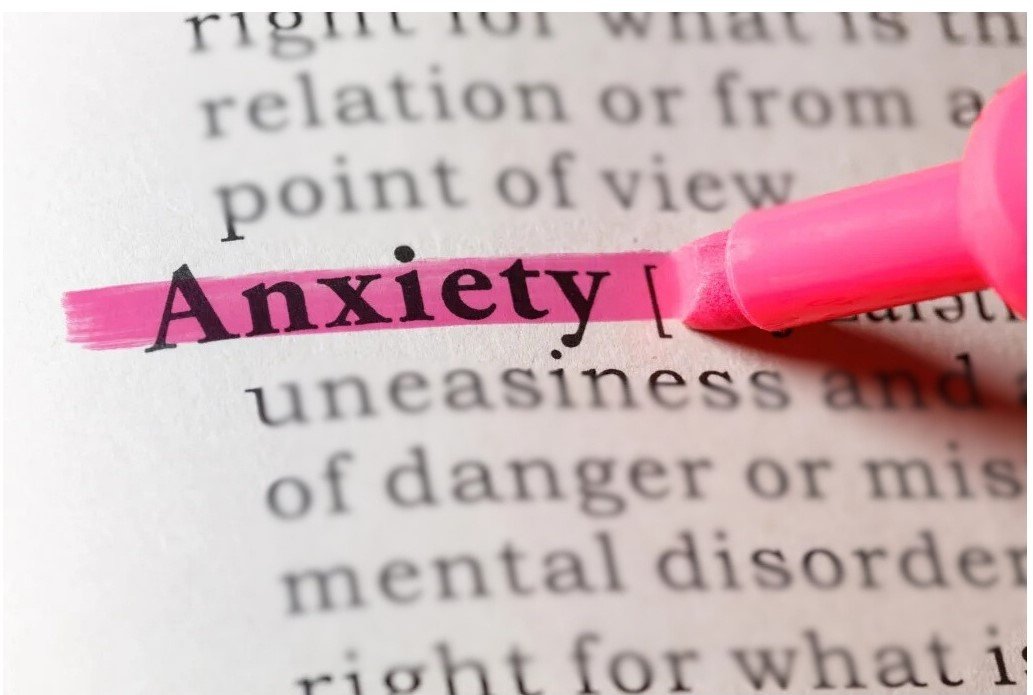
Anxiety is a typical emotion. Anxiety or discomfort might arise when you have to handle a problem at work, go to an interview, take a test, or make a big decision.
A certain amount of worry can even be helpful since it helps us concentrate our attention and recognize potentially harmful circumstances, keeping us safe. Anxiety disorders occur when:
- You can’t operate well while you’re anxious.
- You frequently overreact or react in ways that are out of proportion to the circumstances.
- You have nothing to say about how you respond to situations.
Types of anxiety disorders:
Other forms of anxiety disorders are distinguished by the Diagnostic and Statistical Manual of Mental Disorders (DSM-5) published by the American Psychiatric Association.
Anxiety disorder types include:
-
Generalized anxiety disorder:
This illness results in anxiety, terror, and a persistent sense of overwhelm. It is typified by excessive, frequent, and irrational concern over routine issues, including housework, health, and work obligations.

-
Agoraphobia:
People with this illness have a severe dread of being overpowered, unable to flee, or unable to find assistance. People with agoraphobia tend to stay away from crowds, strange settings, and places outside of their homes, such as confined or vast venues.
-
Panic disorder:
There are several unplanned panic episodes associated with this illness. One of the condition’s primary characteristics is that the attacks typically occur suddenly and aren’t brought on by any medical or mental health issue. Some sufferers of agoraphobia also have panic disorder.
-
Specific phobias:
Although there are hundreds of distinct kinds of phobias, nearly all of them may be classified as specific phobias. The only phobia with a distinct diagnosis is agoraphobia.
-
Social anxiety disorder:
This disorder, formerly known as social phobia, is characterized by a persistent and severe dread of receiving unfavorable judgment and/or being seen by others.
-
Separation anxiety disorder:
When you are separated from someone you care for, such as a primary caretaker, you may experience intense anxiety. Both adults and children can be affected by separation anxiety disorder.
-
Selective mutism:
This disorder develops when you avoid talking in particular circumstances due to worry or anxiety. Although it often affects young children, adults, and teens may also be impacted.
What are the symptoms of anxiety disorder?
Anxiety disorders have different symptoms. Among the psychological symptoms are:

1. experiencing unease, dread, panic, and fear.
- feeling tense or agitated.
- Compulsive, uncontrollable thoughts.
- having trouble focusing.
Among the physical symptoms are:
- Heart palpitations.
- tension in the muscles.
- sweaty or cold hands.
- dry mouth.
- feeling queasy.
- Your hands or feet may feel numb or tingly.
- The inability to fall asleep or stay awake is insomnia.
What causes anxiety disorder?
Researchers are unsure of the precise source of anxiety disorders, just like they are of other mental health issues. However, they believe that several variables are involved:
Chemical imbalances: Gamma-aminobutyric acid (GABA), dopamine, serotonin, and norepinephrine are some of the chemicals in the brain and enzymes that cause anxiety.
Brain changes: The amygdala, a region of the brain, plays a crucial role in controlling anxiety and fear.
Genetics: The physiological families are often affected by anxiety-related disorders.
Environmental factor: The balance of neurotransmitters that regulate your mood can be altered by extreme or protracted stress. Long-term exposure to high levels of stress can exacerbate anxiety disorder.
Treatment and management:
How are anxiety disorders treated?
Anxiety disorders need to be treated just like any other medical problem. Anxiety disorders can be treated with a combination of medication and psychotherapy.
Medication for anxiety disorder:
Typical medications used to treat anxiety problems include:
- Antidepressants
- Benzodiazepines
- Beta-blockers
Psychotherapy for anxiety disorder:
The word “psychotherapy,” often known as talk therapy, refers to a range of therapeutic approaches intended to assist you in recognizing and altering maladaptive feelings, ideas, and actions.
Cognitive behavior therapy:
Cognitive behavioral therapy (CBT) for anxiety trains you to identify and acknowledge the thinking patterns and actions that cause problematic emotions.
Exposure therapy:
In this kind of treatment, a mental health professional provides a secure setting for you to confront your anxieties. Fears might be related to objects, circumstances, or actions. Exposure therapy helps you to demonstrate your ability to deal with your worries and concerns.

What is the prognosis for anxiety disorders?
Anxiety disorders can lead to major issues if they are not addressed properly, such as:
- societal challenges and a reduction in life fulfilment.
- Disorders like alcohol consumption, disorder that are associated with substance use.
- major depression.
- suicide (when extreme anxiety is present).
- Persistent anxiety also raises your chance of heart attacks and other cardiac problems.
For this reason, if you suffer from an anxiety problem, you must get therapy. The therapy works. Your relationships, productivity, and quality of life may all be enhanced with the correct care. It can also improve your general health.
Prevention:
How can I avoid getting an anxiety disorder?
As of right present, there is no proven technique to avoid anxiety illnesses. But with therapy, many of the associated problems can be reduced. The interruption to your life may be lessened by seeking aid as soon as symptoms begin to appear.
How to overcome anxiety?
You can manage an anxiety illness and improve the effectiveness of treatment by using certain tactics in addition to getting competent medical support and treatment. They consist of:
Stress management techniques:
Techniques for managing stress include breathing, medicine, mindfulness, physical activity, avoiding caffeine, and a support group.
Recent research on anxiety disorders:
Recent exploration highlights a significant increase in anxiety, particularly among youthful grown-ups, with factors like social media and profitable query contributing to the rise. A new study shows that an intervention during gestation can reduce postpartum anxiety and depression by over 70%. also, exploration indicates that nonage trauma can impact a parent’s internal health and be passed down to their children.
-
Impact of Social Media and Profitable Factors:
Changing global dynamics, social media, and profitable misgivings are linked as major contributors to anxiety, especially among youngish generations, according to a Loma Linda University study.
-
COVID-19’s Impact:
The COVID-19 epidemic has been associated with a 25% increase in the frequency of anxiety and depression encyclopedically, according to the World Health Organization(WHO).




kingjililogin
Kingjililogin made it super easy to create an account and jump into the action. No messing around. The site is fast, and it runs smoothly on my phone. Thumbs up! Head over to kingjililogin.