Epilepsy
What is Epilepsy?
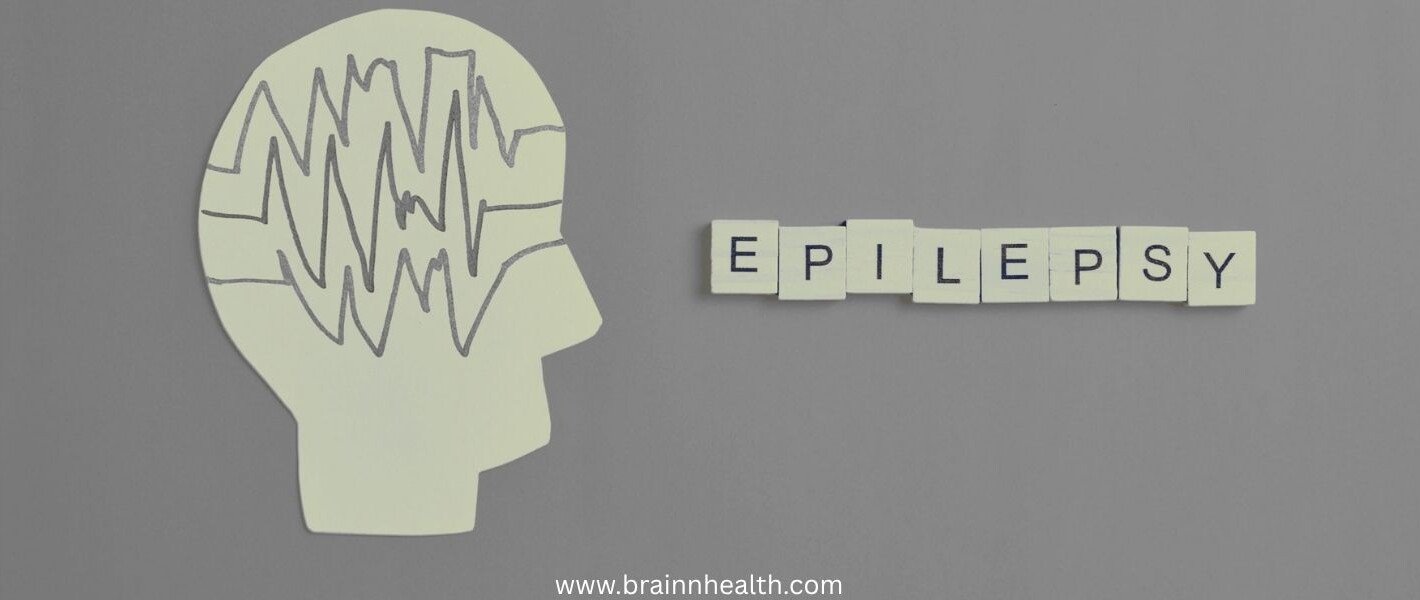
Recurrent unprovoked seizures are characteristic of epilepsy, a chronic illness.
When the brain’s nerve cells produce an electrical impulse up to four times faster than usual. Seizures are the result of this kind of electrical storm in the brain. Epilepsy is a pattern of recurring seizures.
Epilepsy and seizures are not the same thing. An epileptic seizure is a transient occurrence of signs due to unusual excessive activity in the brain. It is a pure neurological disorder. It is mainly characterized by seizures. The warning signs before an epileptic seizure are known as an aura.
Phases of seizures:
Here are the 4 phases of seizures we are following:
- Preictal
- Aura
- Ictal
- Postictal
- Preictal: The time before the seizure, the person may feel or behave differently from normal. Some common signs can include mood changes, anxiety, difficulty sleeping, and difficulty staying focused.
- Aura: The warning signs before a seizure are known as an aura. In this phase, the affected person experiences the symptoms of fit conditions before fit. Symptoms of an aura include dizziness, Déjà vu, jamais VU, vision difficulty, nausea, panic,
the time during the seizure. When a seizure is actually happening. Some signs can fear, and headache.
- Ictal: include loss of awareness, memory loss, feeling confused, difficulty hearing, odd smells or sounds, loss of muscle movement, trouble breathing, repeated movements.
- Postictal: The time period after the seizure, the person may be confused, lose consciousness, or experience memory loss, tiredness, exhaustion, embarrassment, fear and anxiety, nausea, and frustration.
When a neurotransmitter passes from one presynaptic neuron to a postsynaptic neuron, it produces two effects. When the EPSP effect is generated, it excites the specific neuron, but sometimes it excites many neurons at the same time because neurons are interconnected with each other. The electrical storm is produced in the brain. It is called epilepsy.
What are the 4 types of epileptic seizures?
Basically, epilepsy is divided into 2 types. (These are categorized due to the location of the brain)
- Partial seizure
- Generalized seizure
Partial seizure:
A partial seizure occurs when an electrical storm occurs in a particular region of the brain.
When the seizure does not affect awareness. Partial seizures are now also called focal seizures.
There are also two types of partial seizures as follows:
-
Simple partial seizure:
They may be more likely to occur in people who have had a brain injury or a brain infection. The symptoms of a simple partial seizure are muscle tightening, blank stares, numbness, unusual head movement, tingling, skin crawling, hallucinations, pain, and discomfort.
-
Complex partial seizure (focal impaired awareness seizure):
When the abnormal electrical storm is generated in a specific part or area of the brain is also called a complex partial seizure. It results in impaired consciousness, impaired awareness, and memory. These focal seizures typically affect one side of the body.
An electrical storm that disrupts the entirety of the brain might cause a generalized seizure.
There are four subtypes of generalized seizures as follows:
Tonic-clonic seizure: it is also called grand mal seizure.it is basically two periods of behavior.in this phase, the body began to stiffen and the vocal cord produced different kinds of voices. After some time, jerky movement starts, and that will be a clonic seizure.
Absence seizure: it is also known as petit MAL seizure. In an absence seizure, the person feels blank, with no sensation, no awareness, and no kind of behavior occurs at this time.
Myoclonic seizure: it is a very brief period. Mostly one jerk, sometimes more than one or two jerks.
A kinetic seizure: Another name for a kinetic seizure is a drop-down seizure.
Sudden loss of muscle tone causes an individual’s head to drop and loss of posture. First, the head will be down, and then the subject drops anything that he holds.
Symptoms of epilepsy:
Déjà vu (familiar) or Jamais Vu (unfamiliar):
- Déjà vu: Déjà vu is a Chinese word which means “already seen.” In this symptom, we think that we have confronted these types of situations before.
- Jamais Vu: The term Jamais Vu is a French word that means “Never seen”.
In jamais Vu, we experience that we are unfamiliar with a person or place that is actually familiar.
- Aura: It is the warning sign before the seizure. In this symptom, the affected person shows symptoms of a fit condition before the fit.
Causes of epilepsy:
In medical terms, it is called idiopathic. This illness’s true cause is still a mystery.
Causes may be different during childhood, adolescence, and old age.
- Genetics: 20% chance of transmission from parents to child. 5% due to accident or brain injury.
- Childhood: Head injury, birth infection, disturbance in the birth process/fetus, abnormal brain development, or high fever can be the cause of epilepsy.
- Adolescence: In adolescence, head injury, medication, alcohol or substance use, lack of oxygen to the brain, brain tumor, or toxin/poison can be the reason for epilepsy.
- Old: Brain stroke, stress, excessive alcohol use, hypertension, low blood sugar, and calcium levels can all contribute to epilepsy in older adults.
Risk factors:
The following conditions may make you more prone to epilepsy:
- Alcohol consumption disorder
- Alzheimer’s
- Biological family history, particularly if close relatives suffer with epilepsy
- Infections of the brain
- Brain cancers
- Neurological disorders such as cerebral palsy
- Issues prior to or during delivery, such as premature birth, low birth weight, or inadequate oxygenation
Which tests are used to diagnose epilepsy?
Your doctor may request tests such as these to confirm the diagnosis and rule out other conditions:
- A neurological assessment
- Blood examinations
- EEG and MRI scans
Based on your seizure history and symptoms, your doctor may diagnose epilepsy even if test findings are normal.
Epilepsy treatment:
Epilepsy has no known cure. However, there are numerous ways to treat it. Your doctor may suggest:
Anti-seizure drugs:
The most popular therapies are anti-seizure drugs. They function by reducing aberrant brain electrical activity. Finding the appropriate medication and dosage can take some time.
Surgery:
Surgery may be a possibility if medicine is ineffective. The area of your brain that causes seizures is treated with surgery. Only after thorough testing do providers suggest it.
Neuro-stimulation devices:
These are implanted devices that lessen seizures by sending moderate electrical signals to your brain or nerves. Usually, the device is used in conjunction with medication. Deep brain stimulation and vagus nerve stimulation are two common ones.
Changes in lifestyle:
Some meal plans, such as the ketogenic diet, may lessen seizures, particularly in children. Controlling stress and sleep cues may also be important.
Based on your age, general health, and kind of seizure, your healthcare provider will assist you in selecting the appropriate course of action.
disclaimer:This article is for informational purposes only. Consult a neurologist for diagnosis and treatment.